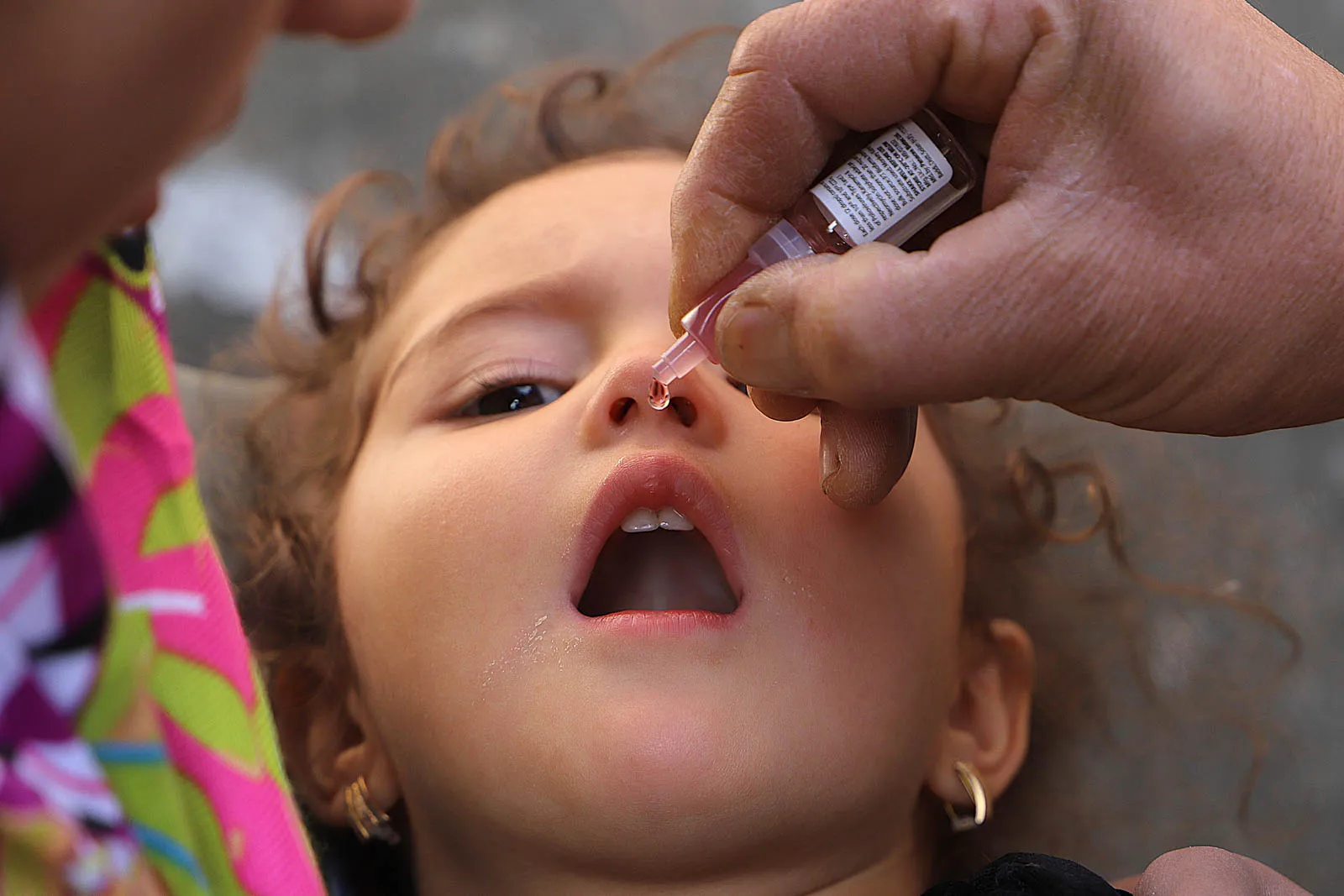
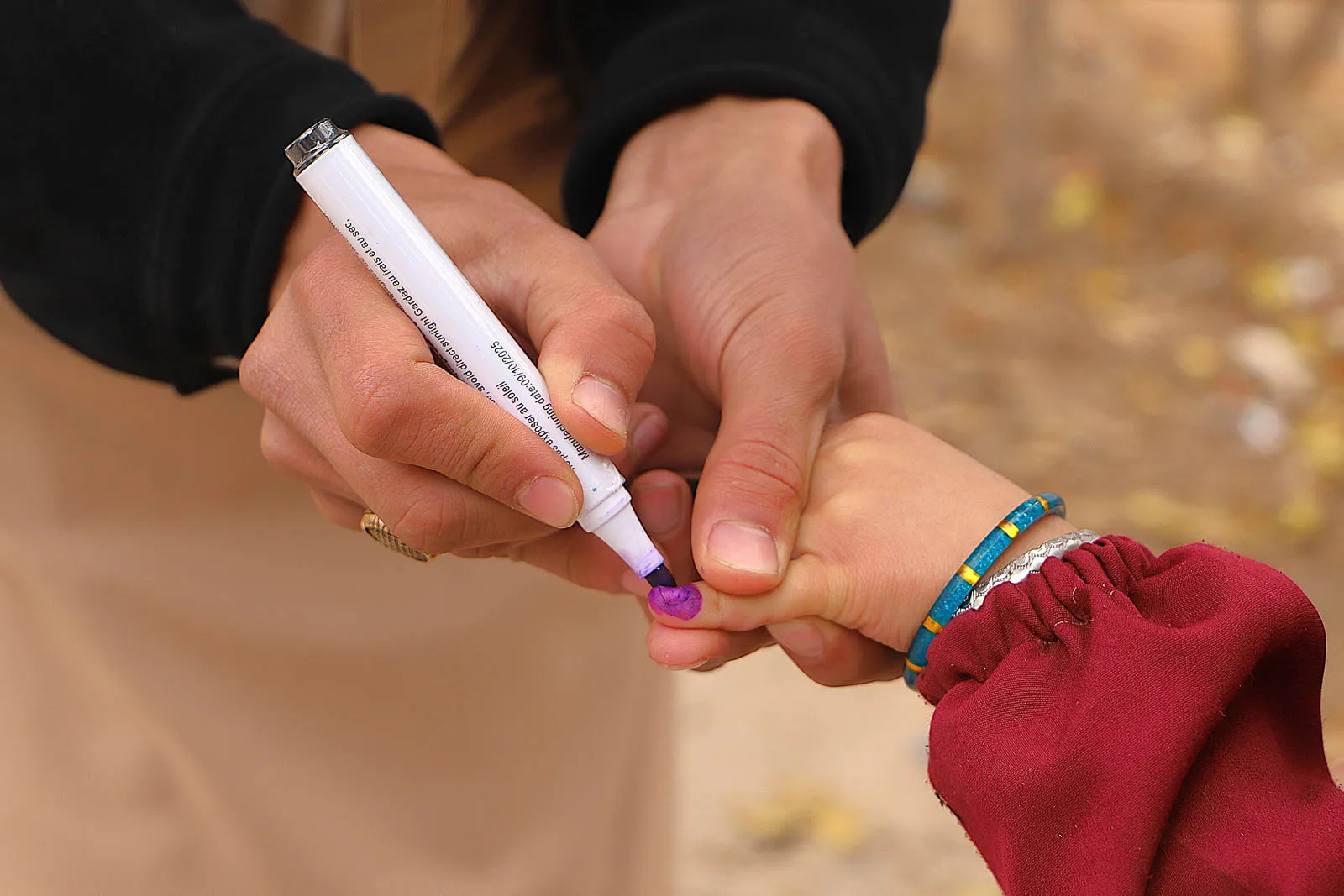
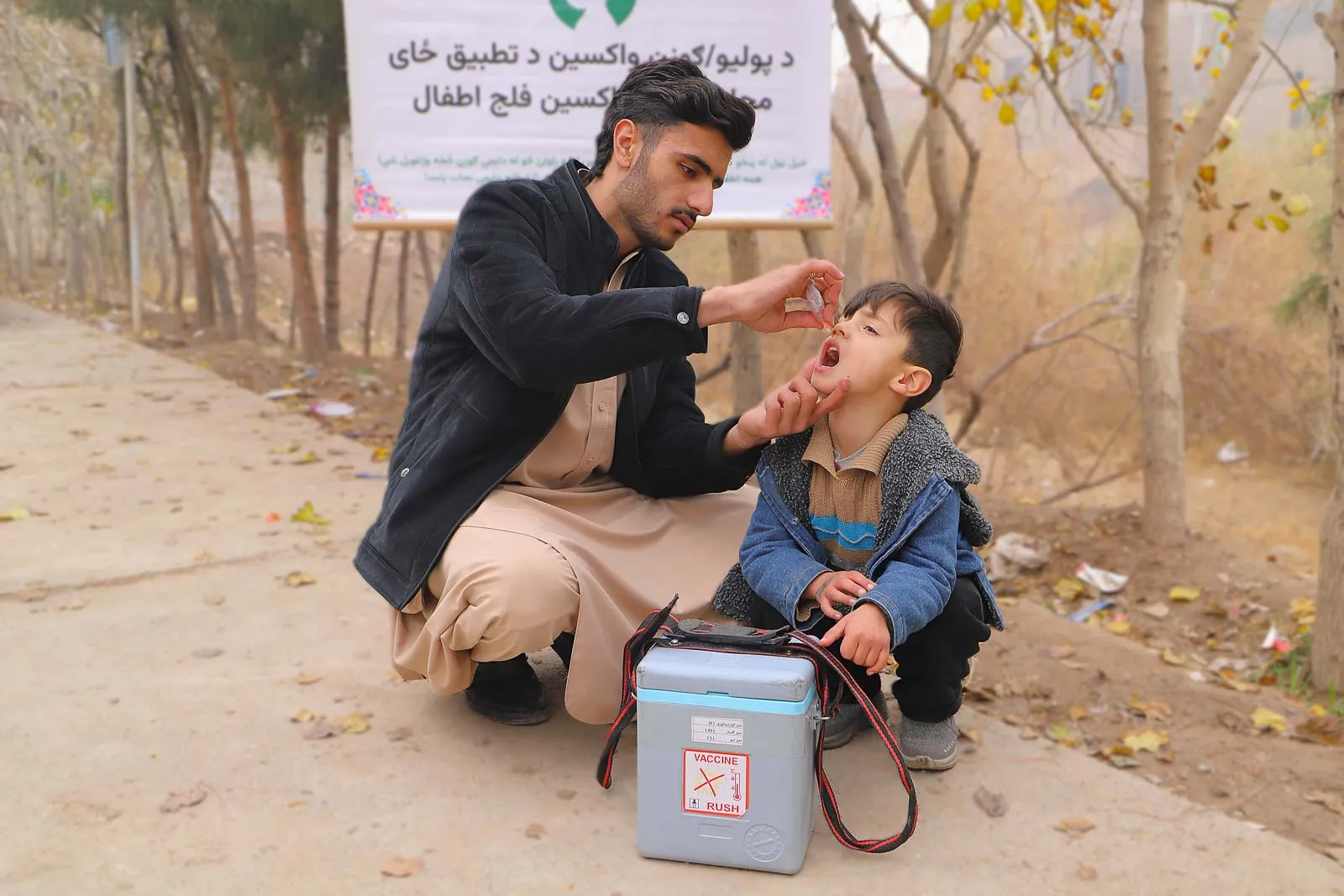
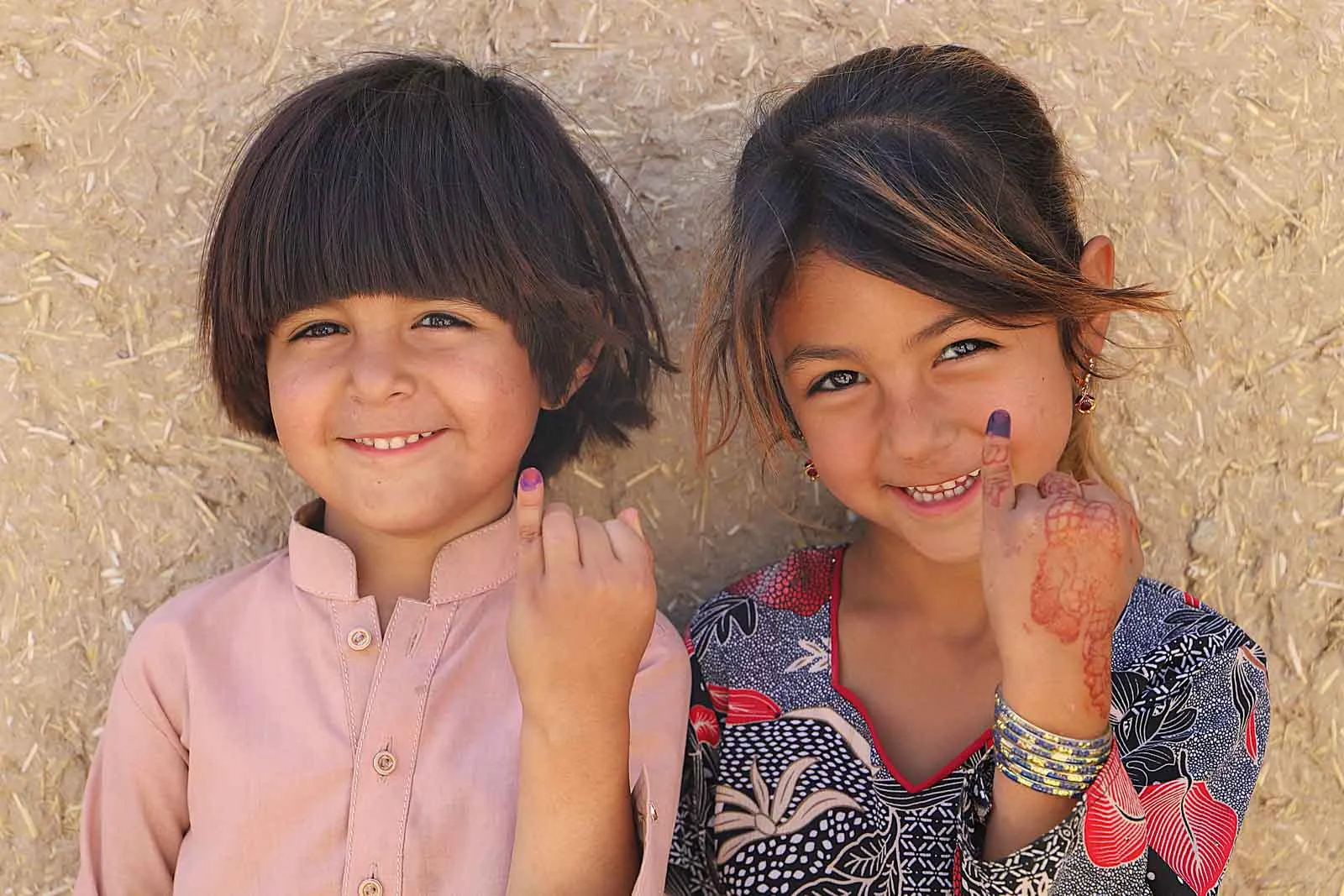
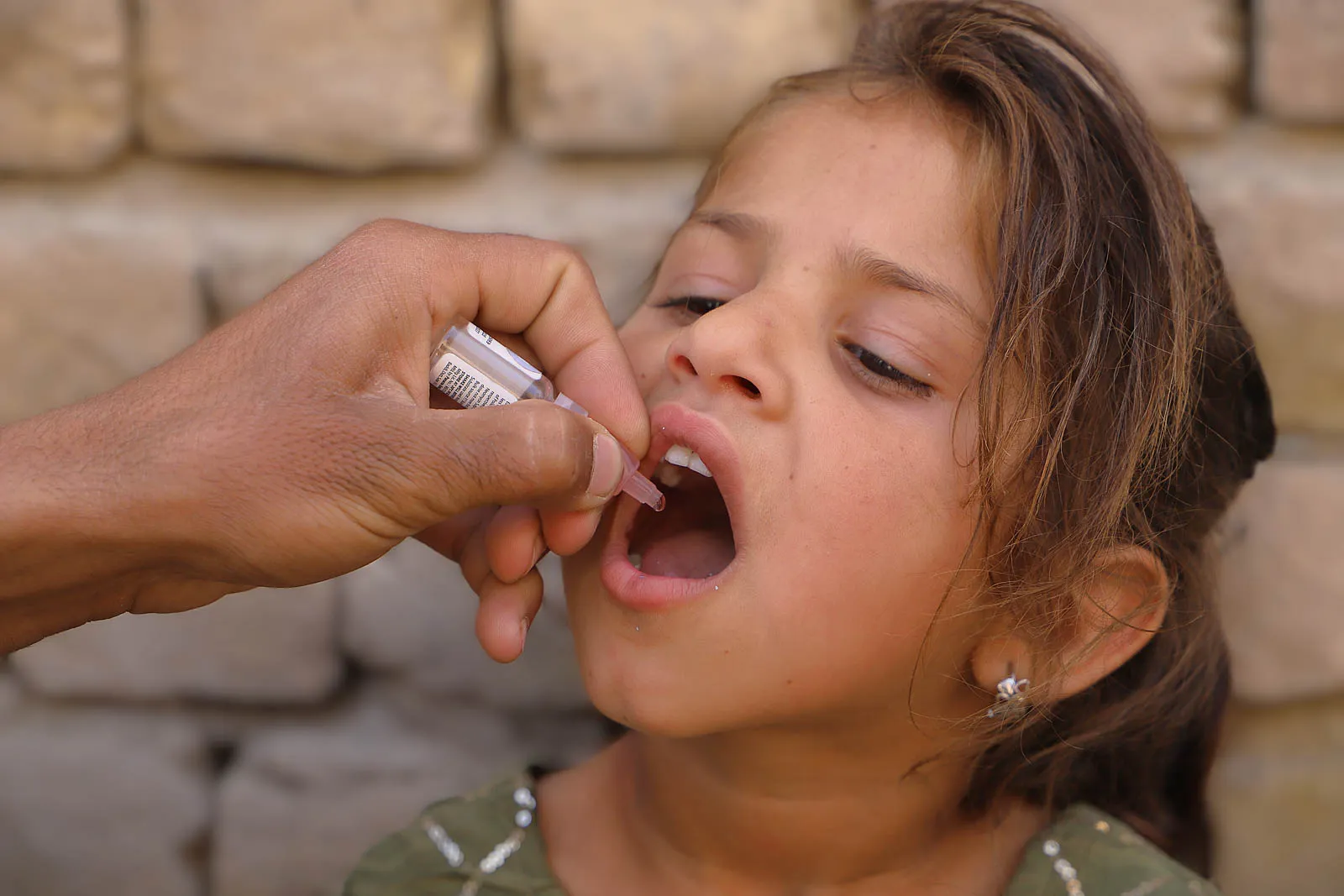
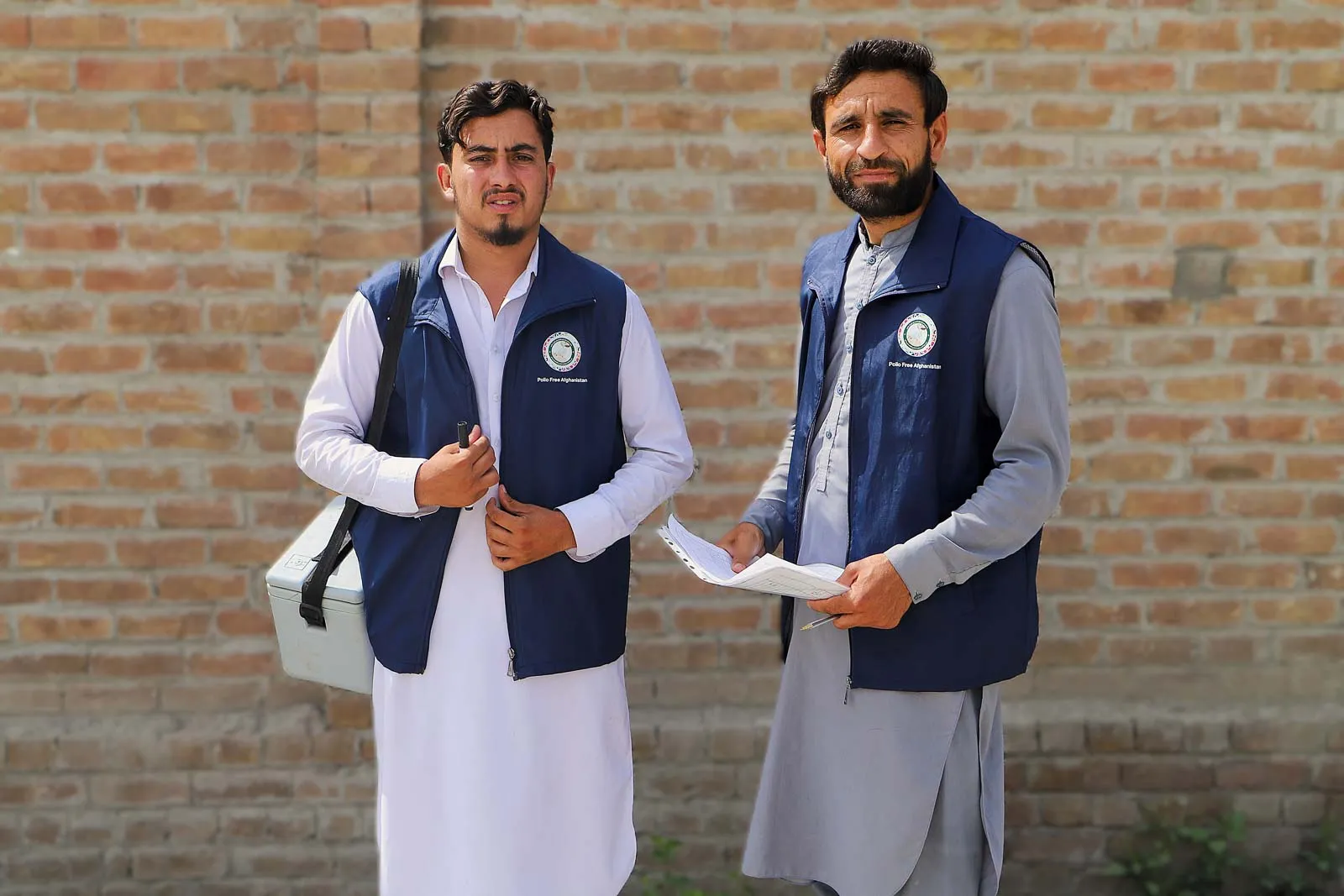
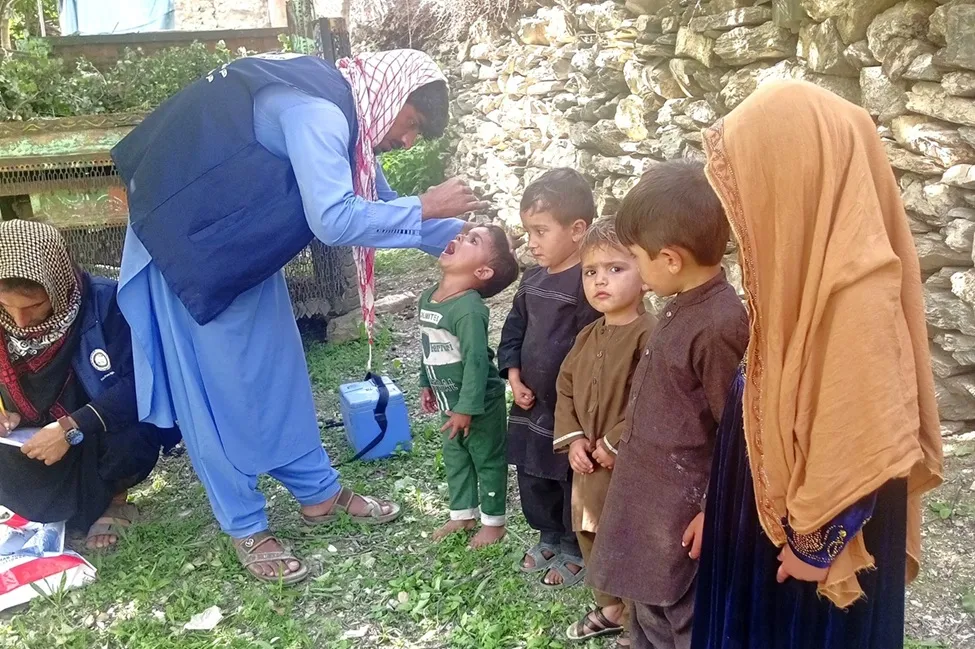
is ongoing in all districts of Kunar and five districts of Nuristan
In the affected two countries the factors that have been identified as contributing to continued polio transmission are: poor health service, lack of awareness, illiteracy, high population density, high incidence of diarrheal diseases, and low oral polio vaccine coverage.

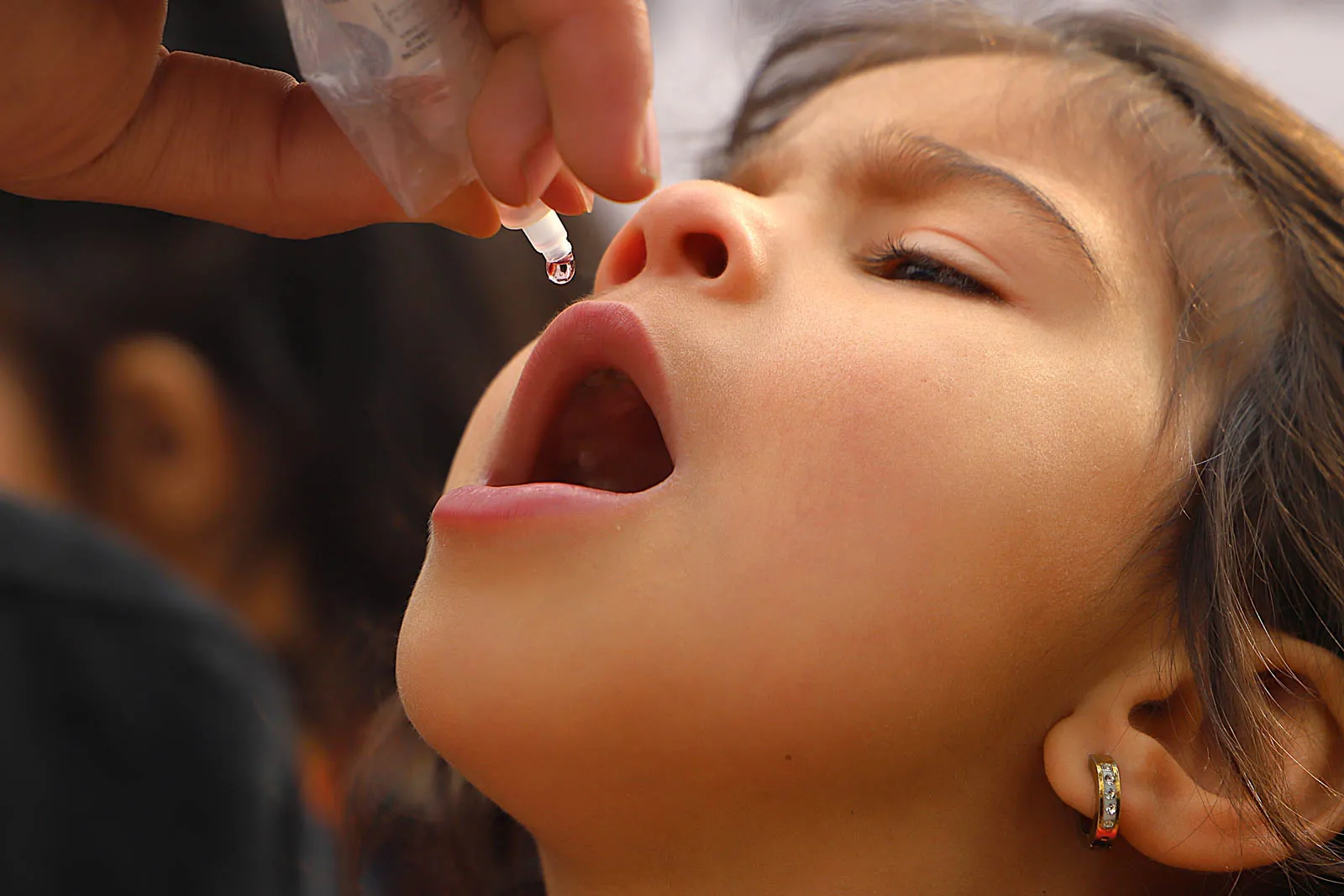
It is thought that almost all the children were infected with poliovirus early in life before the invention of vaccines. Immunization with OPV started towards the end of the 1950s. This significantly reduced the occurrence of poliovirus. However, in 1988, the Global Polio Eradication campaign launched. It introduced transmission in most populations, and the number of cases fell from around 350 000 in 1988 to 22 WPV and 96 cVDPV cases in 2017.

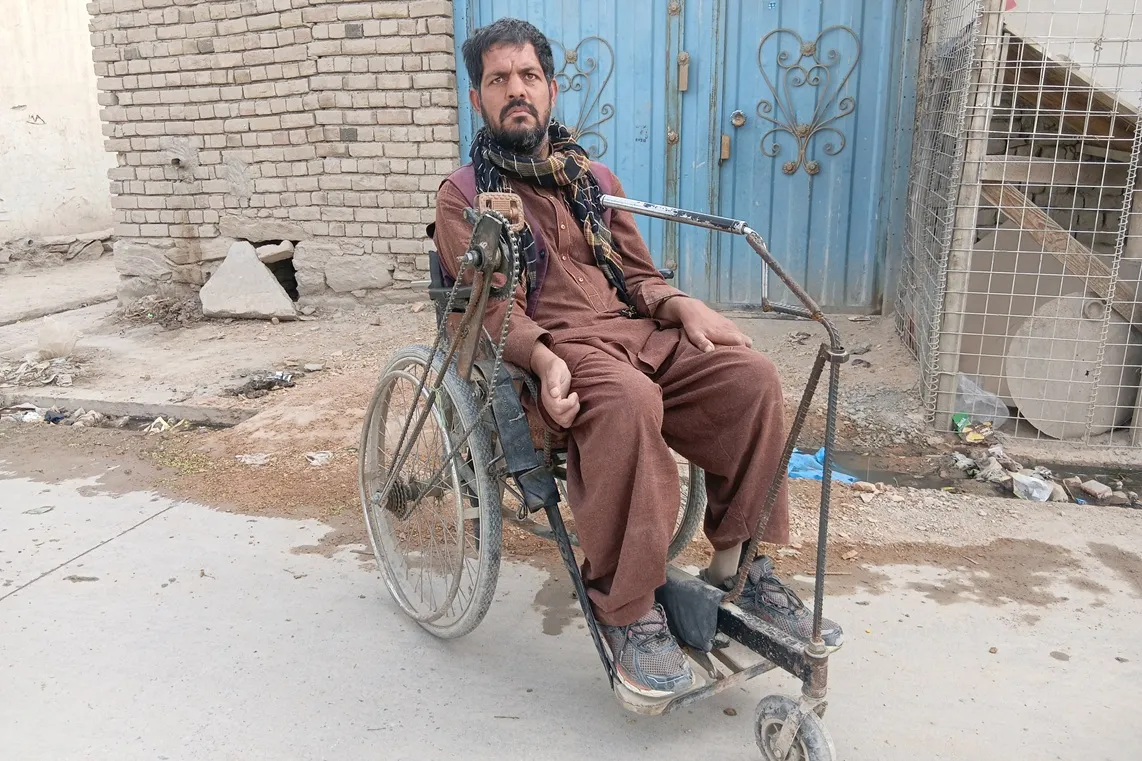
A paralysis caused by poliovirus can progress for up to one week. Permanent weakness is observed in two-thirds of patients suffering with this disease. Most of the reversible damage will have disappeared by 30 days. There’s a ray of hope that suggests that some return of function can also be expected up until nine months.




Social Media Feeds
@PolioFreeAfghan
Follow Us
Follow Us